Case study 02
ThriftSwipe
Thrift from home
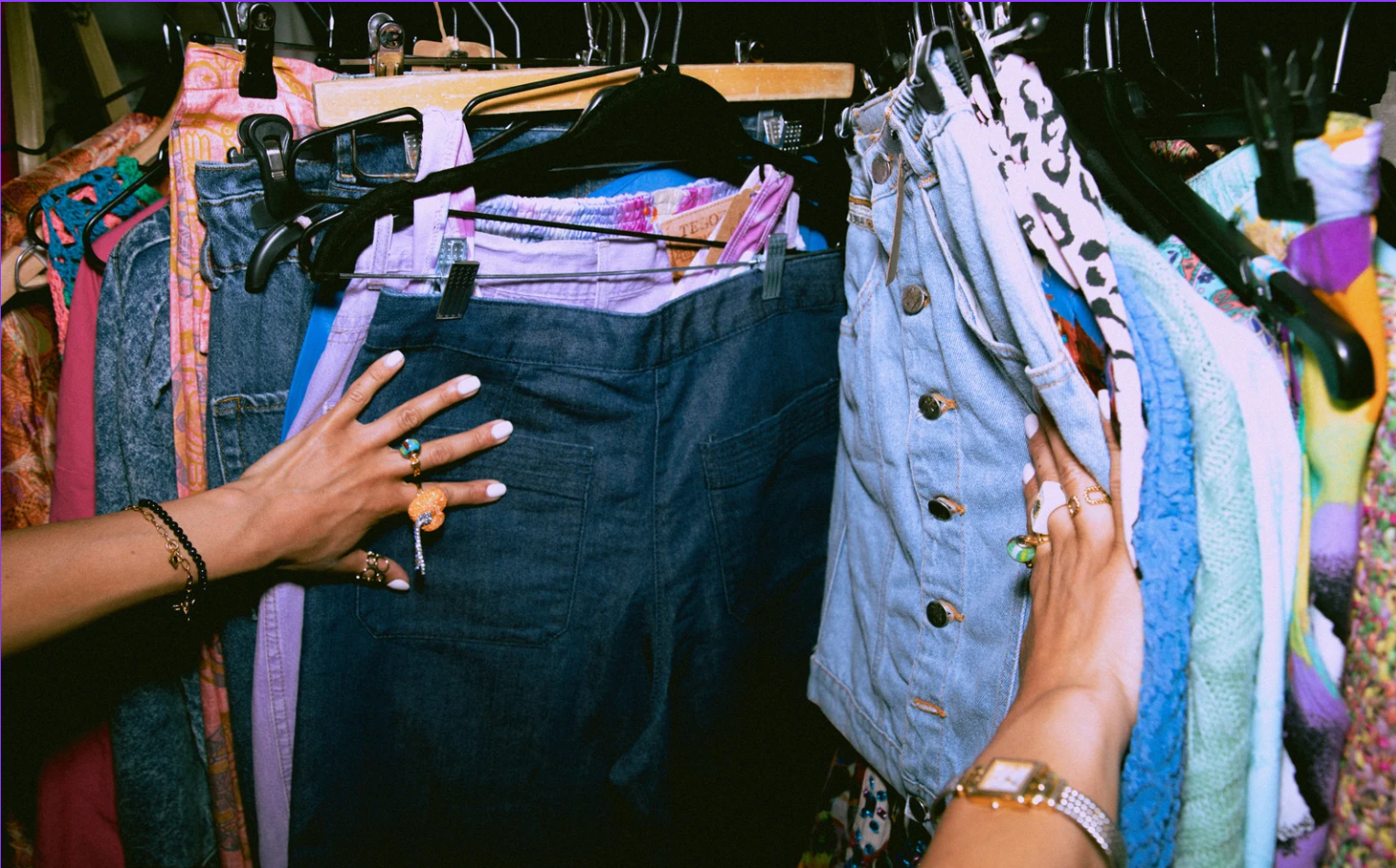
A Tinder-style thrifting app for Value Village — swipe, personalise, and check out second-hand fits without leaving the couch. My team built the brand, business case and the launch plan behind it.
Swipe. Thrift. Repeat.
thrift from home
Gen-Z first, Value Village powered.
Role
Marketing Strategist
Team
Team of 5
Year
2023
Deliverable
Marketing + launch plan
the concept
Swipe. Thrift. Repeat.
A feed that learns your taste every time you tap.
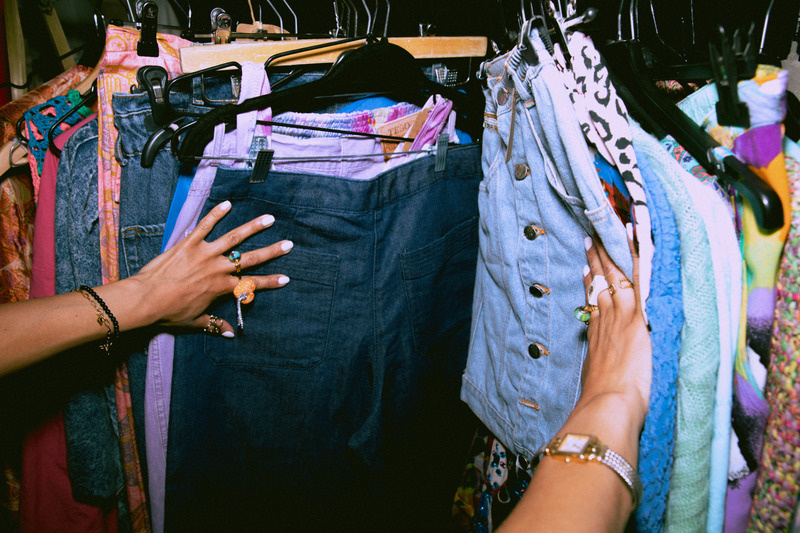
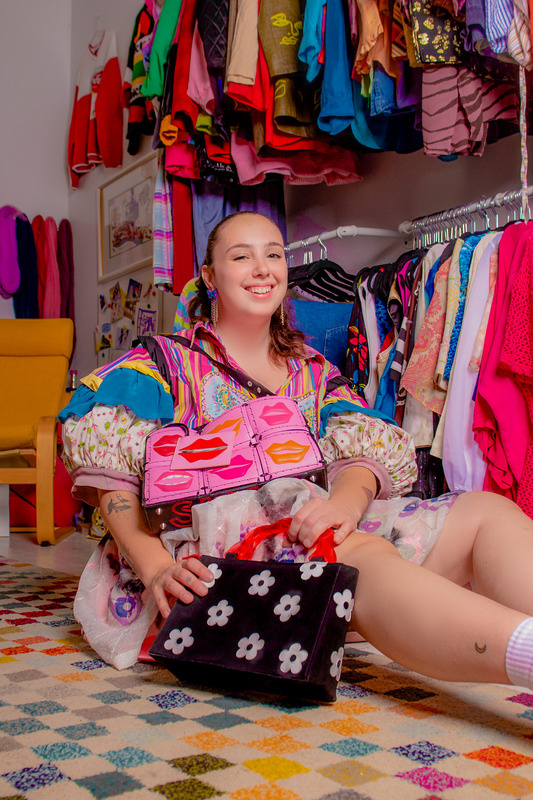
ThriftSwipe helps Gen-Z discover unique second-hand pieces from Value Village and local thrift stores without the rummage. A Tinder-style swipe interface learns your taste on every tap, then serves clothing that actually looks like you — not the algorithm's idea of you.
- Swipe-to-shop interface built for short attention spans
- Machine-learning recs that get sharper the more you swipe
- Rerouted from landfill — sustainability by default
- iOS + Android with in-app checkout
- Powered by Value Village inventory across Canada
- Same fits, ~5–10× cheaper than fast fashion
try it
Interactive prototype
ThriftSwipe
0 kept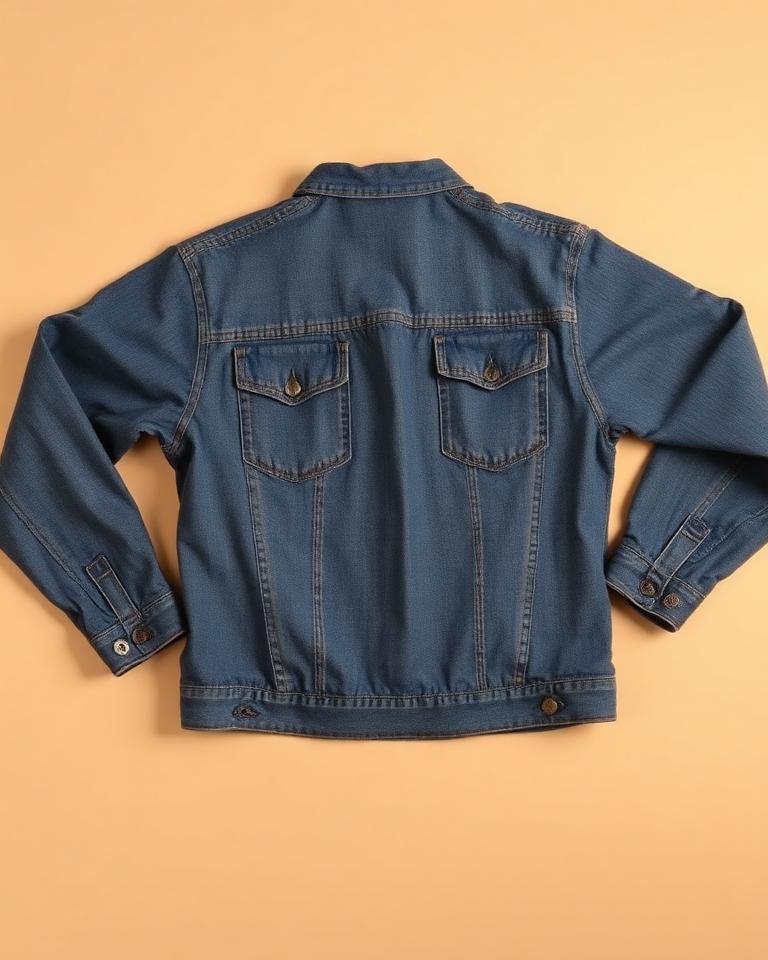
Washed Denim Jacket
90s · Size M · Excellent
Value Village · Bloor · 4.1 km
$24
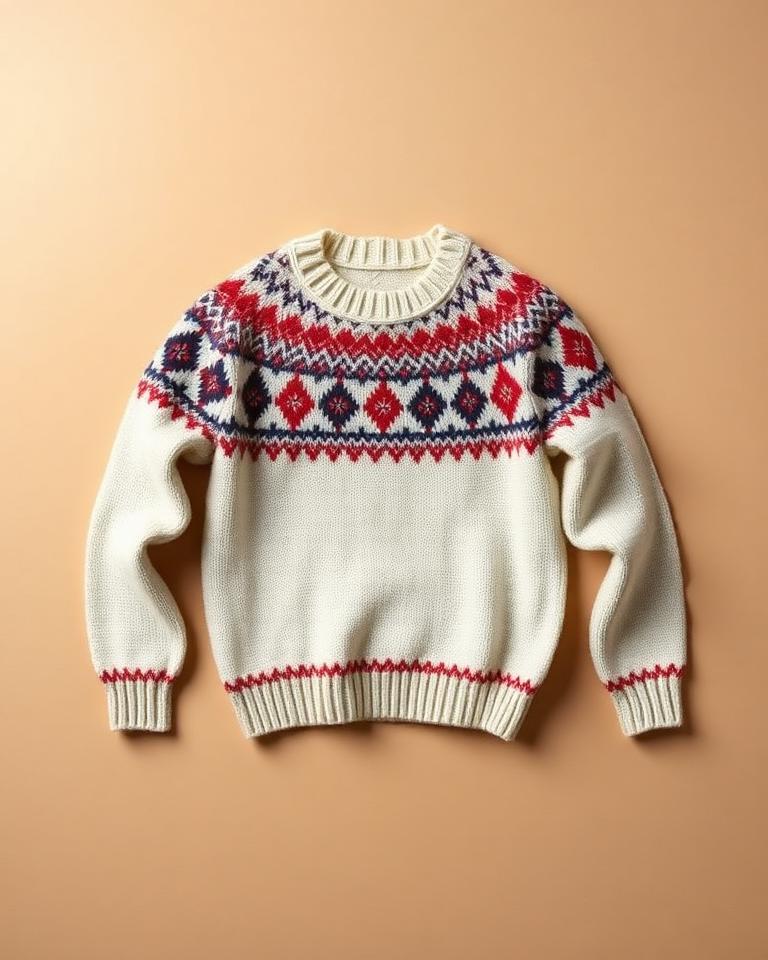
Fair Isle Knit Sweater
Vintage · Size L · Good
Value Village · Queen W · 2.8 km
$18
drag the card or tap the buttons
A live slice of the concept: drag a card right to keep a piece, left to pass, or tap the buttons. The match score at the top of each card stands in for the recommendation engine — it's the only thing on screen that has to earn trust.
- One decision per screen — no filters, no grid fatigue
- Price, size, condition and store distance visible before the swipe
- Undo, because thrifting regret is real
- Kept counter doubles as the path to in-app checkout
the market
Why Now
The second-hand economy grew up — and lives on TikTok.
The second-hand economy grew up. Thrifting is now a cultural identity — one that lives on TikTok, gets styled on Instagram, and is priced for a Gen-Z wallet in a rough economy.
20%
Growth in worldwide shopping apps 2018 → 2019
79.8%
Of Gen-Z prefer online shopping for convenience
39%
Of Gen-Z girls get shopping inspo from social



For Gen-Z the product isn't the app — it's the feed the app produces.
— ThriftSwipe brief
the honest look
SWOT
Strengths
- • Thrift culture + sustainability tailwind
- • Economic climate pushes shoppers to cost-effective options
Weaknesses
- • Recommendation ML is hard, and Value Village has no in-house tech muscle
- • Product is technically replicable — differentiation has to come from marketing
Opportunities
- • Globalisation + adjacent categories beyond apparel
- • Partnerships with local independent thrift stores
Threats
- • Privacy + technical risk (bugs, hacks)
- • Big players (Facebook Marketplace, H&M, Zara) circling sustainability
who it's for
Gen-Z Only
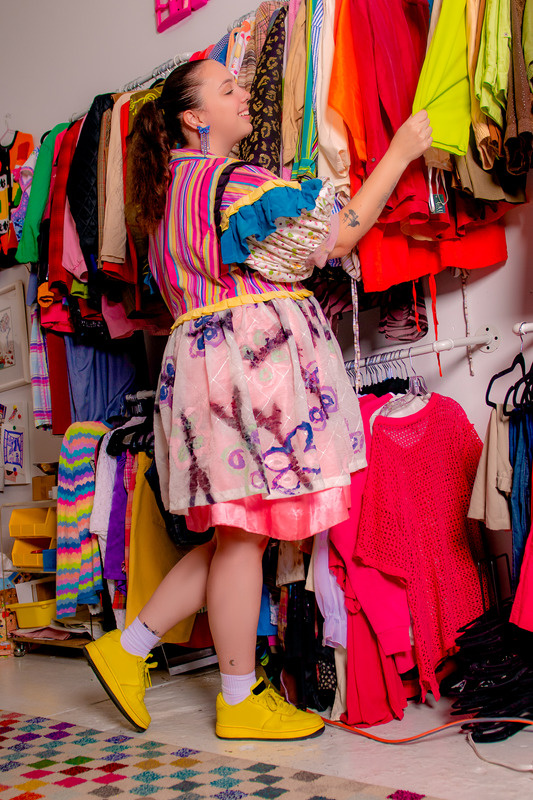
18–34, digitally native, sustainability-curious. They don't want a marketplace — they want a feed.
Gen-Z, 18–34, digitally native, sustainability-curious, and fluent in the language of resale. They don't want a marketplace — they want a feed.

77%
B2B/B2C marketers
Use IG + Facebook ads for retargeting
760%
Revenue lift
Reported from segmented email campaigns
$1.6B→$16.4B
Influencer market
2016 → 2022, per Influencer Marketing Hub
where we show up
Channel Mix
01
Social — IG, TikTok, FB
Owned content + paid retargeting on the two platforms 77% of B2B/B2C marketers use. TikTok drives cheap organic reach; IG closes the loop.
02
Influencer collaborations
Micro-influencers in the thrift and sustainable-fashion niche. Each creator gets a unique promo code so ROI is trackable, not vibes.
03
Email marketing
Segmented drops around drops, size preferences and price sensitivity. Segmented campaigns are the source of up to 760% revenue lift.
04
Google Ads
Search + display with tight adspend controls, feeding first-party data back into the ML rec engine.
05
Value Village in-store
QR-code flyers at checkout + posters in high-traffic stores. Convert existing footfall into app installs on day one.
06
Pop-ups & campus
Booths at malls and university campuses — the STREETCVLTURE playbook — for face-to-face brand building with the exact target audience.
how it ships
Launch Plan
Five months of runway, one loud week, then a control loop.
T-5 months
Project plan
Timelines, milestones and deliverables locked with Value Village.
T-4 months
Market research
Interviews + desk research to size demand and sharpen positioning.
T-2 months
User testing
Mid-fidelity prototype tested in-store with real Value Village shoppers.
T-1 month
Launch teaser
Value Village Instagram, in-store posters + flyers — QR codes everywhere.
Launch
Influencer + promo codes
Micro-influencer rollout, each with a personalised discount code.
Post-launch
Control plan
Downloads, engagement, revenue tracked weekly. Feedback loops into biweekly release cycles.
reflection
For Gen-Z, the feed is the product.
ThriftSwipe was a five-person marketing team project. I contributed to the market analysis, target-market definition and the channel mix, then helped shape the launch and post-launch control plans.
Biggest lesson: the product isn't the app, it's the feed the app produces. If it doesn't feel personal within a handful of swipes, no channel spend saves it.