Case study 03
TruBeauty
Designing an omnichannel beauty shopping experience
A sustainable beauty vending venture that makes clean, international beauty accessible 24/7 — with a digital companion that keeps people coming back.
Beauty. Unlimited.
making beauty better
for people and for the planet.
Role
Product Designer · Strategy
Team
Team of 5
Year
2024
Deliverable
Venture pitch · Product + GTM
positioning
Beauty. Unlimited.
TruBeauty is an innovative vending business that puts sustainable and international beauty products in high-traffic places — universities, transit stations, airports. The brand line does the strategic work: unlimited access, unlimited choice, no environmental guilt attached.
the problem
Beauty has a hidden cost.
A $500B industry, 1% of global carbon emissions, and international products stuck behind long shipping queues.

01
Environmental impact
Excess packaging and long-haul shipping make even 'clean' beauty carbon-heavy.
02
Accessibility
North American shoppers can't easily get international products (especially Korean skincare) without cost + emissions.
03
Consumer convenience
Traditional retail is limited by hours and staffing; online adds waiting, shipping fees, and returns.
research
What consumers told us.
73%
Want a smaller footprint
Vorecol, 2024 — consumers actively trying to reduce environmental impact.
$500B
Global beauty market
1% of global carbon emissions come from beauty products.
3%
CO₂ from shipping alone
International shipping compounds the industry's footprint.
I want the Korean skincare I see online, but I'm not paying $40 shipping and I feel guilty about the packaging.
— Interview insight, 22-year-old shopper
the solution
A vending machine, reimagined.
Sustainable, tech-enabled beauty retail placed where people already are — airports, transit hubs, campuses.
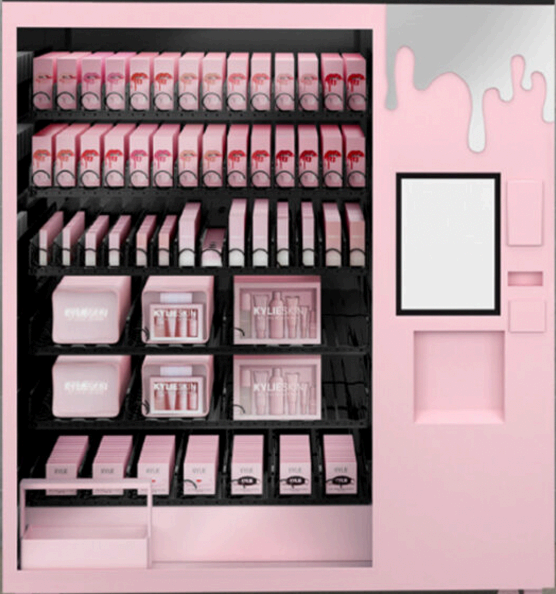
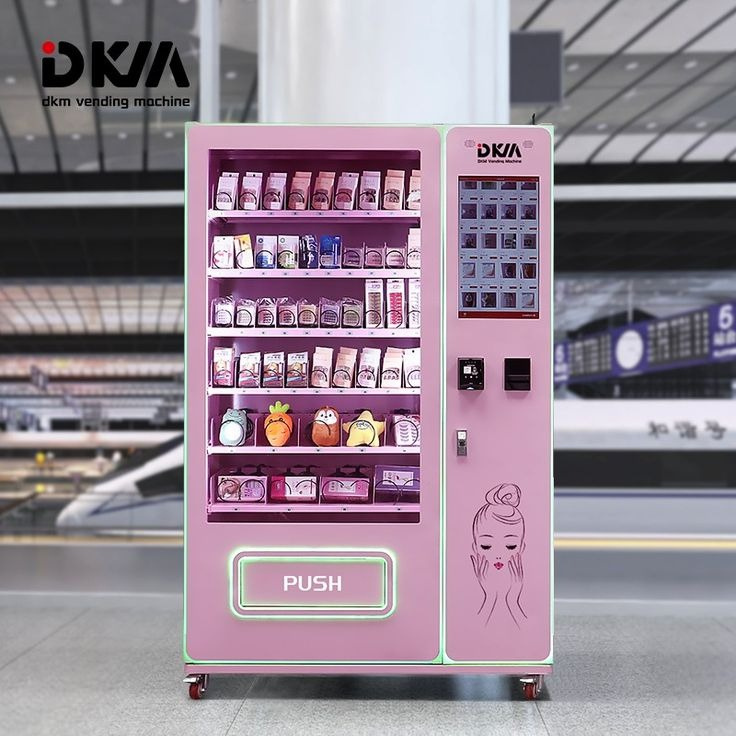
Sustainability
Bulk ordering, minimized packaging, and a bottle-return program that discounts the next purchase. Partner brands align with the UN SDGs.
Tech-enhanced
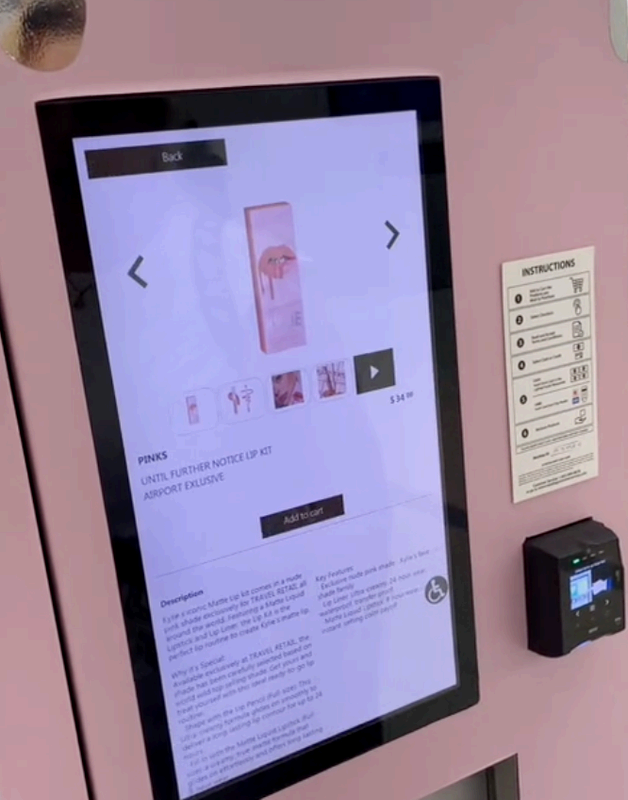
Touchscreens with virtual try-ons, AI product recommendations, and 360° reviews — the discovery layer of an app, embedded in a fixture.
Diverse offerings
Curated for what's missing on this side of the ocean — Korean skincare essentials, lip balms, serums, sunscreens, TikTok-driven demand.
24/7 access
Available whenever the terminal is open. No staffing, no store hours, no closed sign.
journey
From noticing to refilling.
01
Notice
See the fixture in a high-traffic location.
02
Explore
Try on and compare via the touchscreen.
03
Buy
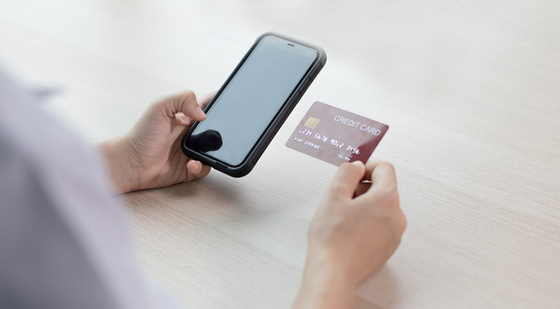
Tap-to-pay, receive product, walk away.
04
Engage
Companion app tracks routine, reorders, and votes on next drops.
05
Return
Drop the bottle back at the machine for a discount.
go-to-market
How TruBeauty reaches people.
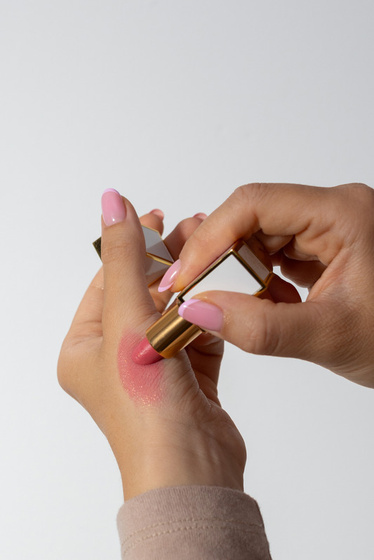
Swatch-first content: the try-on moment is the ad.
Placement is the channel
Machines live where dwell time already exists — airport gates, campus lobbies, transit concourses. Foot traffic replaces paid acquisition.
Social + creator content
TikTok and Instagram built the Korean-skincare demand we're serving. Creator try-on content at the fixture, with trackable promo codes on the screen.
Bottle-return loyalty loop
Returning an empty bottle earns a discount on the next purchase — a retention mechanic and a sustainability proof point in one action.
App-led community
Real-time voting on the next product drop turns restocking into engagement, and gives us demand data before we buy inventory.
Brand partnerships
Co-marketing with ethical brands aligned to the UN SDGs — they get North American shelf space, we get credibility and supply.
the business case
Why this venture wins.
A real gap in the market
No competitor combines international beauty, sustainability guarantees, and vending convenience. Existing beauty vending offers none of the three together.
Demand already exists
Shoppers want trending international products without shipping fees or three-week waits. TruBeauty removes both and adds a discount for recycling.
Aligned with where retail is going
Consumers increasingly buy on ethics. Bulk shipping, bottle recycling, and SDG-aligned partners make sustainability the default, not a claim.
metrics we'd watch
Units per machine / week
Is placement earning its footprint?
Bottle-return rate
Is the loyalty loop actually closing?
Screen-to-purchase rate
Does try-on convert, or just entertain?
Repeat purchase via app
Are we building a base, not a novelty?
Cost per acquisition
Placement + creator spend against new buyers.
Restock accuracy
Do app votes predict what actually sells?
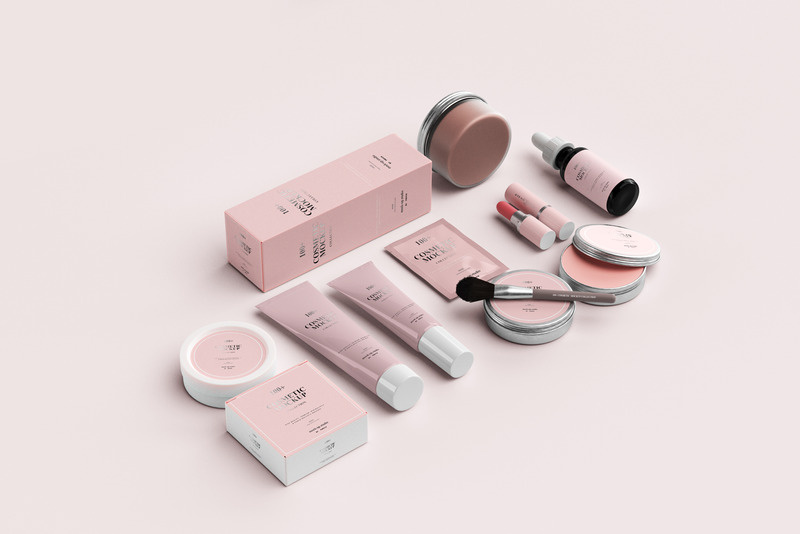
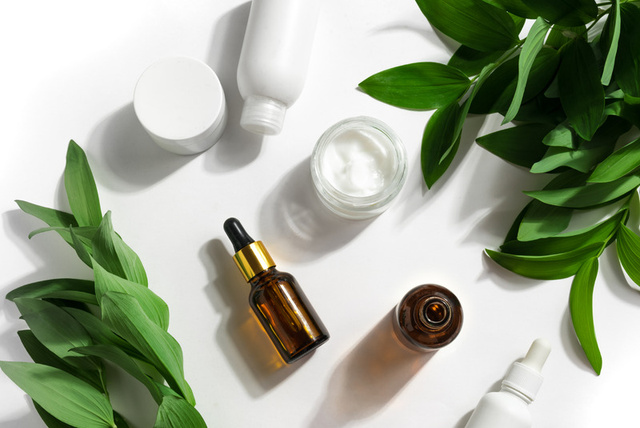
Product range concept — minimal packaging, refill-ready formats.
key outcomes
What TruBeauty makes possible.
Environmental
Minimized packaging + recycling drops the carbon footprint per purchase.
Accessibility
24/7 availability in high-traffic hubs, no store hours required.
Economic
Lower operational overhead than staffed retail — viable unit economics.
Cultural
Normalizes sustainability and diversity as defaults in the beauty aisle.
reflection
Retail is a UX surface too.
TruBeauty pushed me to think about UX outside a screen. The touchscreen, the fixture, the return flow, the packaging — they all had to feel like one product. It also made the marketing story sharper: sustainability isn't a claim, it's the whole interaction.
Next: prototype the companion app end-to-end, and test the fixture flow with real shoppers to shave friction from try-on-to-purchase.